• About

    About SMIC


    At Beijing SMIC Private School-English Track, we are committed to delivering an exceptional educational experience for our students from kindergarten through 12th grade. Our kindergarten program is bilingual, ensuring that young learners develop foundational skills in both English and their native language. As students advance to grades 1-12, they enter a fully immersive English environment where communication occurs exclusively in English.

    This unique approach not only enhances language proficiency but also fosters confidence in our students' communication abilities. We believe that this immersion helps prepare our students for a globalized world, equipping them with the skills they need to succeed academically and socially.


    We take pride in our caring and diverse teaching community, alongside our engaged student families. Our collaborative approach ensures that students graduate with a comprehensive skill set, including:


    Skilled Communicators: Students learn to articulate their thoughts and ideas effectively.

    Critical Creative Thinkers: Our curriculum encourages innovative problem-solving and critical analysis.

    Self-Directed Learners: Students are taught to take initiative in their education, fostering a love for lifelong learning.

    Responsible Technology Users: They learn to navigate technology thoughtfully and ethically.

    Effective Collaborators: Teamwork is emphasized, preparing students to work well with others in various contexts.

    Global Citizens: They develop an understanding of and respect for diverse cultures and perspectives.


    Throughout the year, our dedicated teachers continually refine their teaching methods and curriculum. By collaborating to review and enhance classroom content, they ensure that our students receive a well-rounded and evolving education.


    This partnership between teachers and families allows SMIC Private School to grow and improve year after year, creating a supportive and engaging educational environment for all our students.


  • Academics

    Elementary Overview


    At SMIC, students enrolled in our Elementary Program enjoy a well-rounded education with a structured daily schedule. Here’s what a typical day looks like:


    Seven Class Periods: Each lasting 45 minutes.


    Core Subjects:


    English Language Arts: 2 periods daily

    Math: 1 period daily

    Science: 1 period daily

    Chinese: 8 periods weekly


    Specials:


    IT, Art, SEL, and Music: 1 period each, once a week

    Physical Education: 3 periods each week


    This balanced approach ensures that students get a strong foundation in core subjects while also exploring creative and physical activities.


    Elementary Curriculum


    ELA


    Our ELA Common Core curriculum uses a balanced literacy approach with diverse fiction and nonfiction texts, emphasizing comprehension strategies, vocabulary, and critical thinking. It guides students through the writing process, promotes effective communication through discussions and presentations, and emphasizes language conventions, grammar, and vocabulary. It offers differentiated instruction, and assessments for progress monitoring, and integrates technology with digital resources and tools to enhance learning.


    In our elementary ELA program, students will develop these skills:


    Better Use of Academic Language: Students will learn to use academic language more effectively, helping them discuss and understand complex ideas.

    Improved Critical Thinking: By answering questions based on texts and closely reading, students will learn to think critically and understand what they read.

    Stronger Writing Skills: With different writing activities, students will get better at writing clearly and adapting their style for different purposes.

    Research Skills: The curriculum encourages students to ask questions and conduct research, helping them learn how to find and use information.

    Better Communication in Groups: Students will practice discussing ideas with classmates, improving their ability to share thoughts and listen to others.

    Personal Responsibility for Learning: With tools like check-ins and learning goals, students will learn to take charge of their learning and keep track of their progress.


    Math


    Our Singapore math curriculum focuses on developing mathematical understanding, problem-solving skills, and critical thinking. It follows a Concrete-Pictorial-Abstract (CPA) approach, emphasizes problem-solving, employs a spiral progression, incorporates model drawing and visual learning strategies, and promotes mental math skills. The curriculum offers differentiation for diverse student needs and includes assessments to measure progress and inform instruction.


    In our elementary Math program, students will develop these skills:


    Understanding Mathematical Concepts: Students will develop a strong grasp of math concepts, helping them see how different ideas connect.

    Problem-Solving Skills: The focus on problem-solving will equip students with strategies to tackle real-world math problems effectively.

    Critical Thinking: Students will enhance their critical thinking abilities, allowing them to analyze situations and make logical decisions in math and other subjects.

    Visual Learning and Modeling: Through the Concrete-Pictorial-Abstract (CPA) approach and model drawing, students will learn to visualize problems, making it easier to understand and solve them.

    Mental Math Skills: The curriculum promotes mental math, helping students improve their ability to calculate quickly and accurately in their heads.

    Personal Responsibility for Learning: With tools like check-ins and learning goals, students will learn to take charge of their learning and track their progress in both math and other subjects.


    Science


    Our NGSS standards science curriculum engages students in inquiry-based learning, three-dimensional learning, and a phenomenon-based approach. It offers hands-on activities, integrates STEM principles, provides differentiation for diverse learners, incorporates assessments to measure progress, and utilizes digital resources for enhanced learning experiences.


    In our elementary Science program, students will develop these skills:


    Inquiry-Based Learning: Students will learn to ask questions and explore topics through hands-on activities, enhancing their curiosity and understanding of scientific concepts.

    Collaboration Skills: Working with peers on projects and activities will help students develop teamwork and communication skills, essential for group work in science and other subjects.

    Critical Thinking: Through inquiry-driven activities, students will improve their critical thinking skills, learning to analyze information and draw conclusions based on evidence.

    STEM Skills: The integration of STEM principles will equip students with skills related to science, technology, engineering, and math, preparing them for real-world applications.

    Real-World Connections: Students will learn to connect science concepts to real-world situations and careers, helping them understand the relevance of what they are studying.

    Digital Literacy: Utilizing digital resources will enhance learning experiences, teaching students how to effectively use technology for research and collaboration.


    Chinese


    Our Chinese curriculum aligns closely with the mandated government program for students, focusing on developing Mandarin language skills. It integrates essential elements of the language, as well as aspects of China's history, culture, and identity, enhancing the language learning experience.


    Vocabulary and Grammar Understanding: The structured approach will help students gradually build their vocabulary and understand basic grammar, making it easier to express themselves.

    Cultural Awareness: By using authentic materials like videos and stories, students will gain insights into Chinese culture, enhancing their language learning experience.

    Speaking and Listening Skills: Interactive activities and dialogues will focus on improving students' speaking and listening abilities, making them more confident in conversations.

    Character Recognition: Students will learn to recognize and write Chinese characters, improving their reading and writing skills in the language.

    Pronunciation Practice: Emphasis on pronunciation will help students develop accurate speaking skills, allowing them to communicate clearly in Chinese.


    Specials: P.E, Music, Art, SEL and IT


    Our comprehensive specials program encompasses art, physical education (P.E.), music, SEL, and information technology (IT), ensuring that students receive a holistic education that nurtures creativity, physical health, musical appreciation, digital literacy, and self-awareness.

    Through hands-on activities, team sports, musical performances, and technology integration, students develop essential skills in collaboration, discipline, and self-expression. Our SEL initiatives foster emotional intelligence, helping students understand and manage their emotions, build healthy relationships, and make responsible decisions.

    This program enhances individual talents and promotes cultural awareness and social interaction, preparing students to navigate an increasingly digital world with confidence and adaptability.

    In our elementary Specials program, students will develop these skills:


    Creativity and Self-Expression: Art classes encourage students to explore their creativity and express their thoughts and emotions through various mediums.

    Physical Health and Well-Being: P.E. promotes physical fitness, helping students develop coordination, strength, and healthy lifestyle habits while fostering teamwork and sportsmanship.

    Musical Skills and Appreciation: Music education allows students to learn instruments, sing, and appreciate different musical genres, enhancing their cognitive and emotional development.

    Technology Proficiency: IT classes equip students with essential digital skills, enabling them to navigate technology confidently and creatively, whether through digital art, music production, or coding.

    Collaboration and Teamwork: All disciplines emphasize collaboration, whether through group art projects, team sports, ensemble performances, or collaborative tech projects, fostering social skills and cooperation.

    Discipline and Focus: Engaging in these activities helps students build discipline and focus, as they practice regularly and work towards improving their skills.

    Cultural Awareness: Exposure to diverse artistic expressions, sports, musical traditions, and technology broadens students' cultural perspectives, promoting appreciation for diversity and global citizenship.

    Social and Emotional Awareness:  Students will become empathetic learners, with self-regulation, and conflict-resolution abilities, enhancing their emotional intelligence and social interactions.


  • Activity

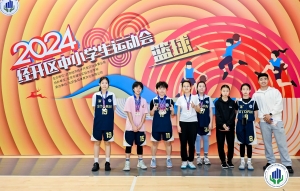
    B.A.S.E. Beijing Area Sport Exchange WSC World Scholars Cup World Spelling Bee BDA Sports

  • Admissions

    Beijing SMIC Private School Admission Empowering Global Minds Are you a foreign passport holder looking for a world-class education in China? Our school is designed for students aiming to study in English-speaking countries like the UK, Canada, USA, Singapore, and Australia.

    Our Mission We prepare students for success in elite international universities, fostering academic excellence, critical thinking, and global citizenship.Our Program International curriculum tailored for English language proficiency Experienced teachers with diverse cultural backgrounds Small class sizes for personalized attention Robust extracurricular programs for holistic development Join Our Community Apply now and take the first step towards an exceptional education and a bright future! Contact Us Email: admissions@bjsmicschool.com Phone: +86 6785-3030-2108

  • News

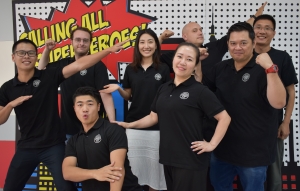
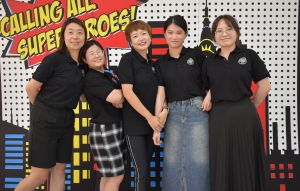
    SUPER HERO THEME 2023-2024

  • Contact

    ENGLISH TRACK  OFFICE

Academics

Science Curriculum

Biology (Grade 9)

This foundational biology course introduces students to core principles of life science through a blend of laboratory work, scientific inquiry, and conceptual exploration, fostering critical thinking as they examine the interconnectedness of living systems from molecular to ecosystem levels. Students learn key biological concepts, including cell structure and function, genetics, evolution, ecology, and human biology, building a foundation for advanced scientific study through hands-on investigations, data analysis, and engagement with current research. Successful completion of Grade 8 Science is required, along with basic mathematical skills. Students need access to a computer or tablet, proficiency with Microsoft Word, and a scientific calculator. Major assessments include laboratory reports, unit tests, a research project, class participation, and a final examination. Essential skills include note-taking, reading comprehension of scientific texts, collaboration, and basic laboratory safety awareness.

AP Biology (Grade 10-12)

This course explores complex biological concepts through rigorous scientific inquiry and evidence-based reasoning, helping students develop advanced analytical skills as they examine life processes from molecular mechanisms to evolutionary relationships and ecological interdependence. This college-level course aligns with the College Board's AP Biology curriculum framework, investigating the four big ideas: evolution, cellular processes, genetics and information transfer, and biological interactions. Emphasizing science practices, the course includes modeling, mathematical analysis, scientific questioning, and data analysis. Major assessments consist of laboratory reports, unit exams, research projects, free-response question practice, and mock AP exams. Successful completion of Grade 9 Biology is required, and students should have completed or be concurrently enrolled in Algebra 2 with Trigonometry or equivalent.

Chemistry (Grade 10-11)

This course introduces basic chemical principles such as composition, structure, properties, and reactions of matter. Starting with definitions and mathematical techniques essential to the understanding of chemistry, students build a foundation of knowledge about fundamental particles and the nature of the atom.  They learn to predict atomic behavior and molecular structure based on electronic structure.  They also study the behavior of atoms, ions, and molecules through chemical formulas and equations, structure, and nomenclature.  This is followed by a more detailed analysis of states of matter, mixtures, and applications of chemistry in simple contexts.  The major assessments in Semester 1 focus on knowledge acquisition relying heavily upon skill in recognizing and applying mathematical skills and nomenclature to predict chemical reactions and interactions between different elements.  In Semester 2 the difficulty scales up significantly as students combine their mathematical skills (algebraic) and writing skills (English 2, at minimum) to predict, plan, run and report experiments.  

AP Chemistry (Grade 10-12)

This course covers the material, both in lecture and laboratory, equivalent to an introductory college course in general chemistry. This course stresses mastering the conceptual and quantitative aspects of chemistry, by enhancing students' qualitative understanding and visualization of the particulate nature of matter through the development of students' inquiry, analytical, and reasoning skills. The course is organized around a few underlying principles called the six big ideas, which encompass the core scientific principles, theories and processes governing chemical systems. The course has a strong emphasis on concepts and skills and includes inquiry-based learning. The pace of the course requires a typical student to read textbook chapters and independently solve problems approximately five to six hours a week.

Physics (Grade 10-12)

This course explores the fundamental principles of physics, including matter and energy interactions, kinematics, forces, momentum, waves, electric charge, and magnetism. Students learn to apply physics laws to solve real-world problems, fostering creative and analytical thinking essential for STEM fields. Students predict and analyze physical phenomena using mathematical models, solve complex problems with mathematical and conceptual frameworks, and develop experimental skills through hands-on lab work. They collaborate effectively on projects, enhancing teamwork and communication abilities. Major assessments include quizzes to assess comprehension, lab reports to document findings, practical task activities, midterm and final exams, and semester projects and presentations that synthesize knowledge. A strong foundation in calculus is required, along with a high school physics course for familiarity with basic concepts. Students should possess strong analytical and problem-solving skills and be prepared to dedicate 5+ hours per week to problem sets and lab analysis.

AP Physics C Mechanics (Grade 11-12)

This course is a calculus-based, college-level course designed for students interested in engineering, physical sciences, or mathematics, and it prepares students for the College Board exam. The course builds a strong foundation in classical mechanics, focusing on motion, forces, energy, momentum, rotation, oscillations, and gravitation. Students learn to model physical systems, derive equations using calculus, and apply physics principles to analyze real-world scenarios while emphasizing problem-solving and analytical thinking. Hands-on laboratory experiments and inquiry-based activities are integral, allowing students to develop skills in data collection, graphical analysis, error analysis, and formal lab reporting. Each semester culminates in a project where students design and present a physics-based application of the concepts learned. Major assessments include unit quizzes and tests, formal lab reports, a semester project, AP-style practice exams, and midterm and final exams. A strong foundation in calculus is required, along with a high school physics course for familiarity with basic concepts. Students should possess strong analytical and problem-solving skills and be prepared to dedicate 5+ hours per week to problem sets and lab analysis.