
Academics
PE Introduction
Growing students’
education and understanding of living a healthy life is important here
at Beijing SMIC. Our students continue to develop their knowledge of
what a healthy lifestyle looks like while also improving their physical
capabilities through exercise and teamwork. Our PE classes are designed
to keep students active even when they are not participating in sports
teams. Our classes include basketball, ultimate frisbee, volleyball,
badminton, capture the flag, and many other activities that build the
foundations of teamwork and cooperation. Learning coordination and
endurance through aerobic, team-centered classes is how we ensure that
each student gets the most out of each PE class.
Physical Education Curriculum
Fitness for Health (Grade 9)
A fitness course focuses on improving physical health, strength, and endurance through structured exercise and wellness education. Key elements include: training in cardio, strength training, flexibility (Pilates), and functional movements; designing personalized fitness plans based on goals (weight loss, muscle gain, endurance); exploring diet’s role in fitness, energy management, and recovery; understanding muscles, joints, and how the body responds to exercise; learning proper form, warm-ups, cool-downs, and recovery strategies; participating in or leading classes (e.g., HIIT, Tabata).

PE for Sports (Grade 9-12)
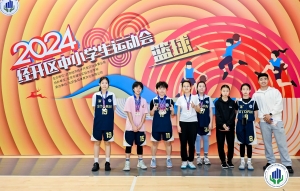
Students engage in a variety of team and individual sports to develop physical fitness, coordination, and teamwork. The course emphasizes skill development, strategy implementation, and health-related fitness components. Students learn to assess their fitness levels, set personal goals, and track progress through regular physical assessments. Activities include soccer, basketball, volleyball, and track and field, with a focus on sportsmanship and collaboration and are assessed through physical tests, skill demonstrations, and team sports events.
Dance (Grade 9-12)
A dance course typically focuses on developing technical skills, artistic expression, and theoretical knowledge in various dance styles like modern, jazz, and hip-hop. Key components often include training in alignment, flexibility, strength, and style-specific movements; learning to create and perform original or curated dance pieces; exploring spontaneous movement and creativity; participating in dance work, rehearsals, and live showcases; understanding body mechanics to prevent injury and enhance movement quality.
Weightlifting (Grade 10-12)